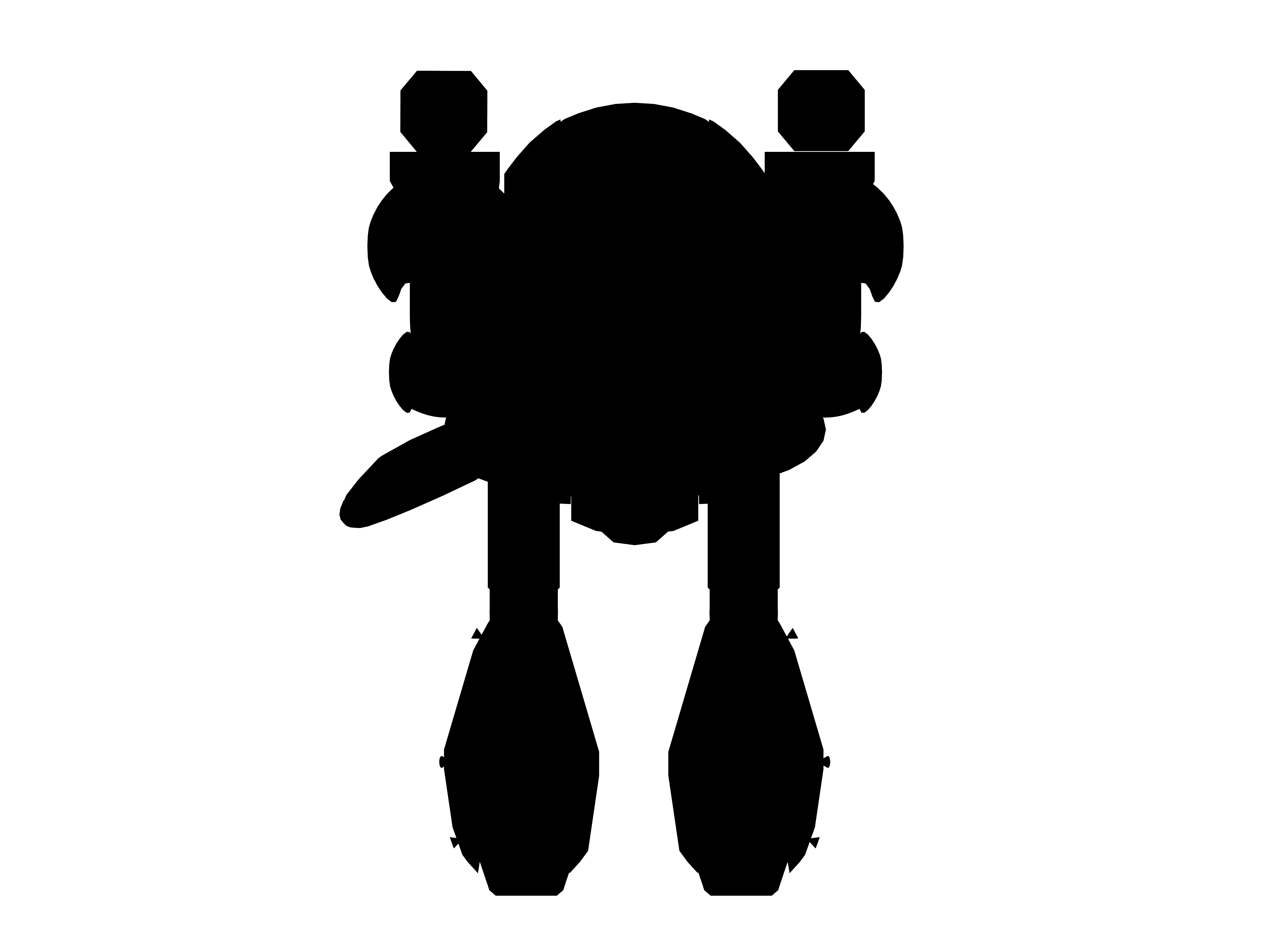
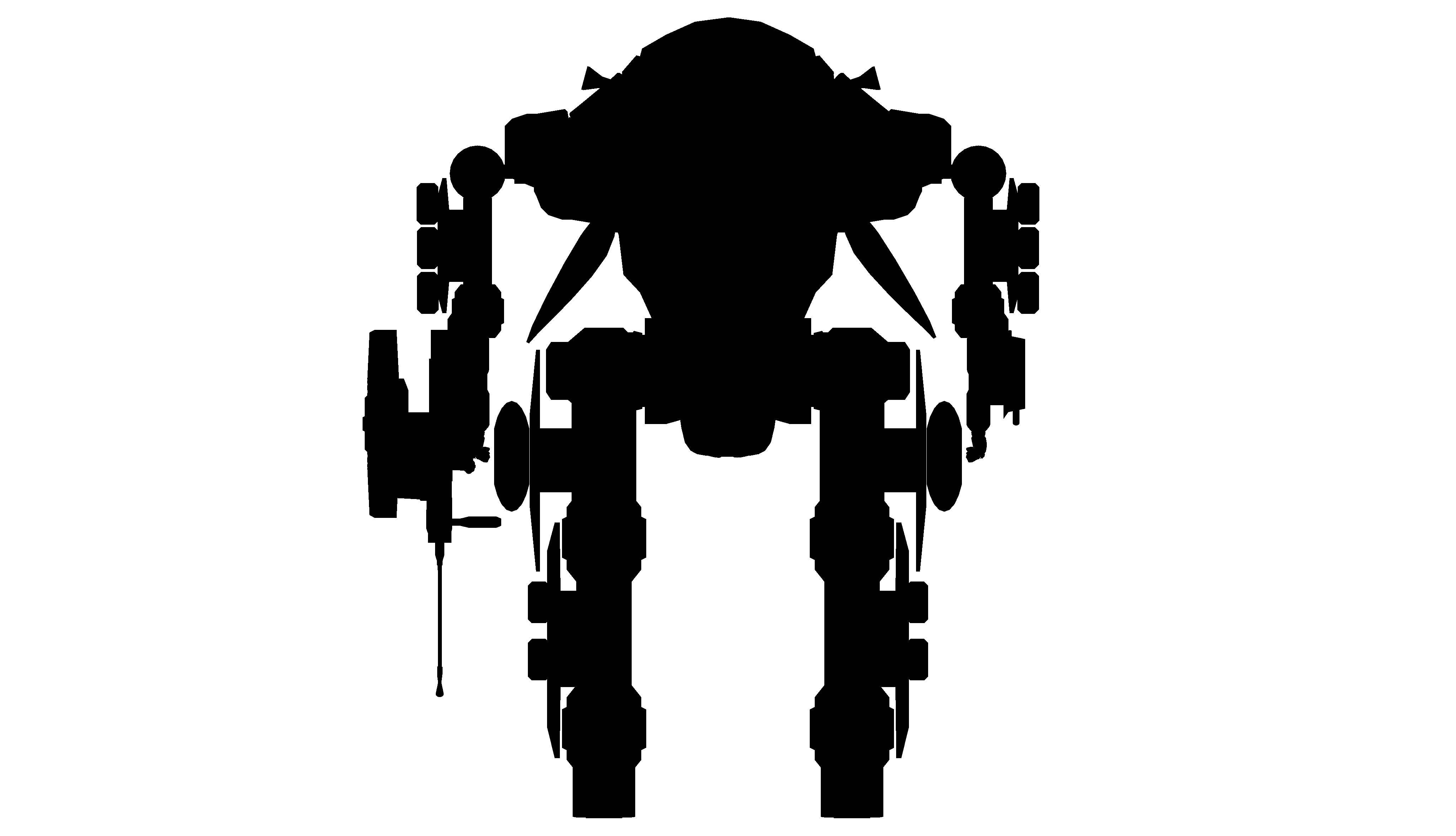
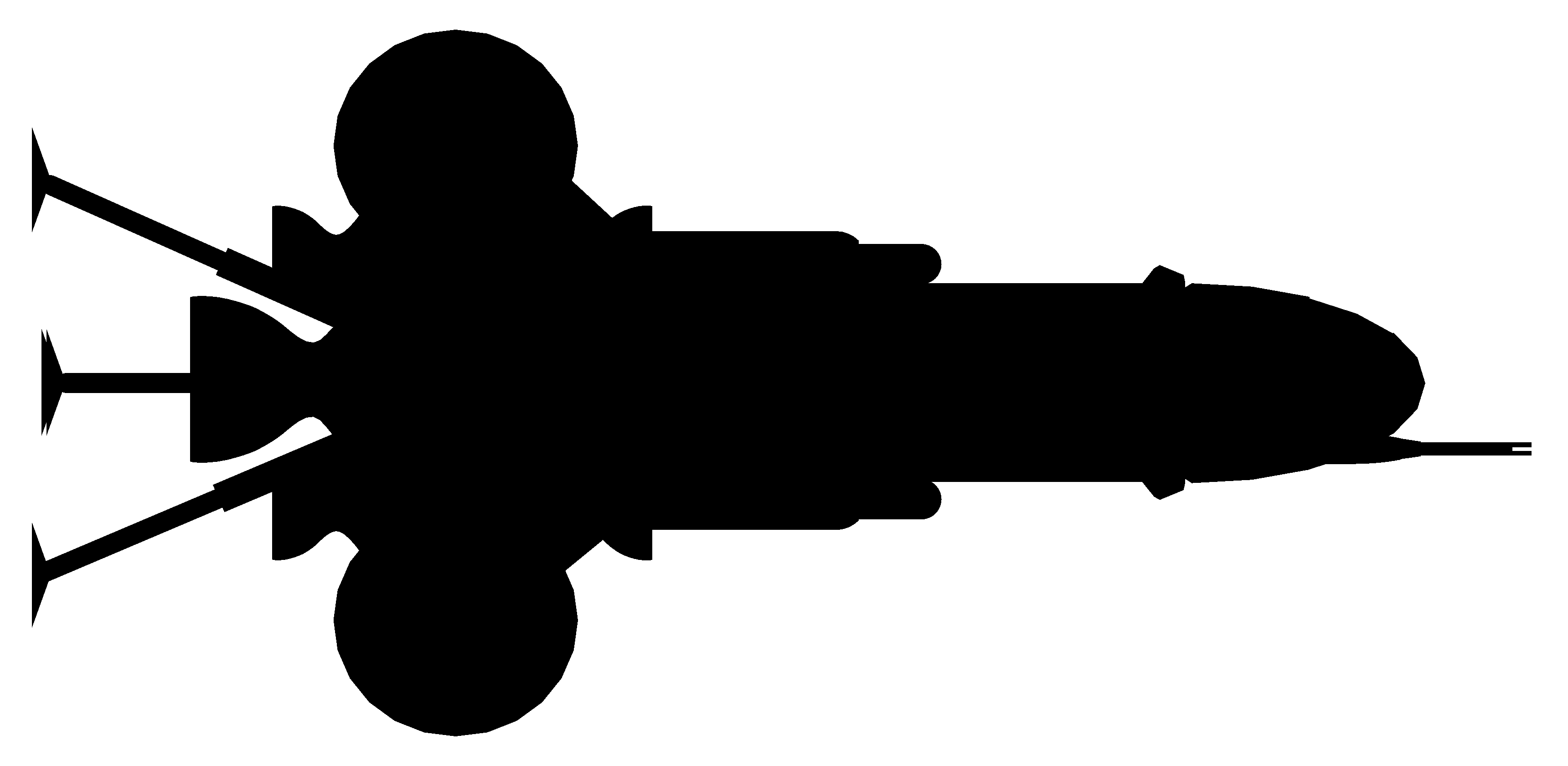
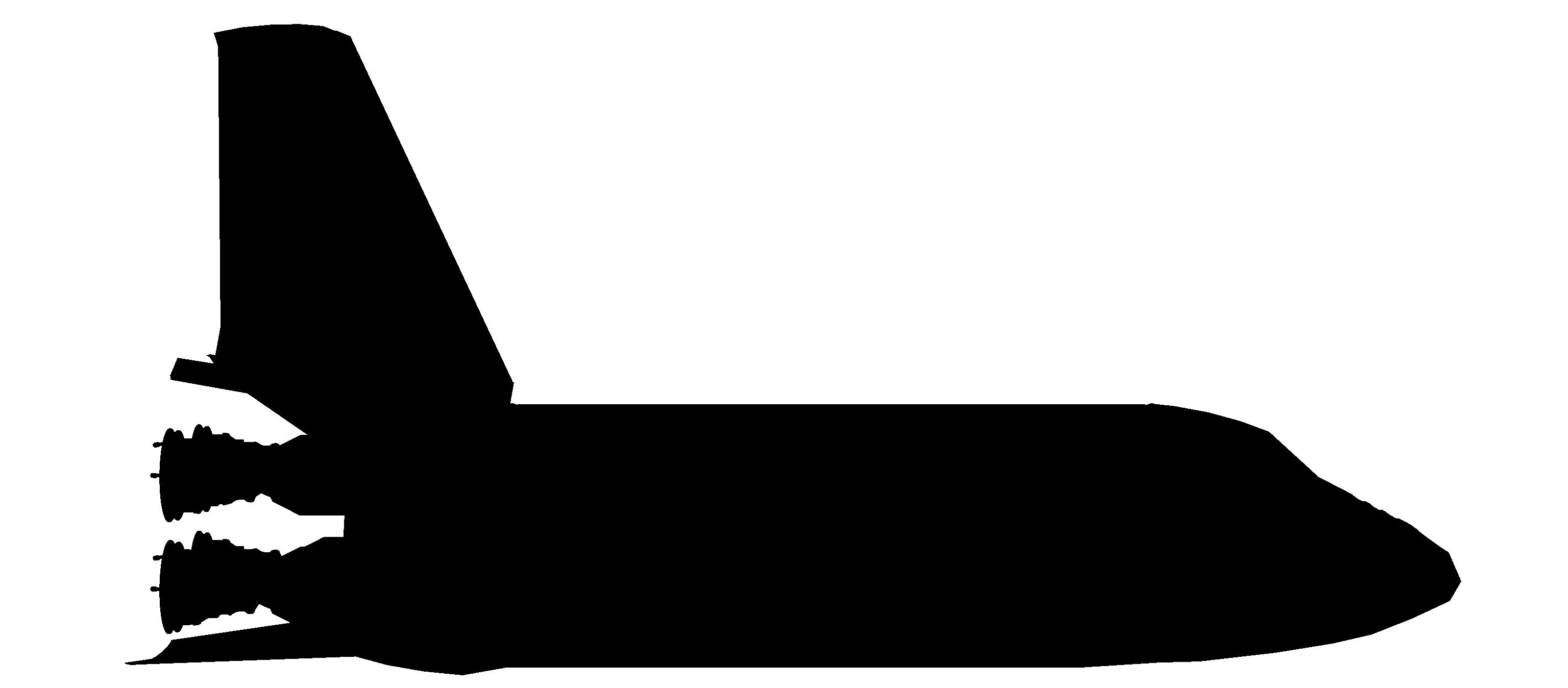
|
||
GOVERNMENT: United Nations Office Of Outer Space Affairs
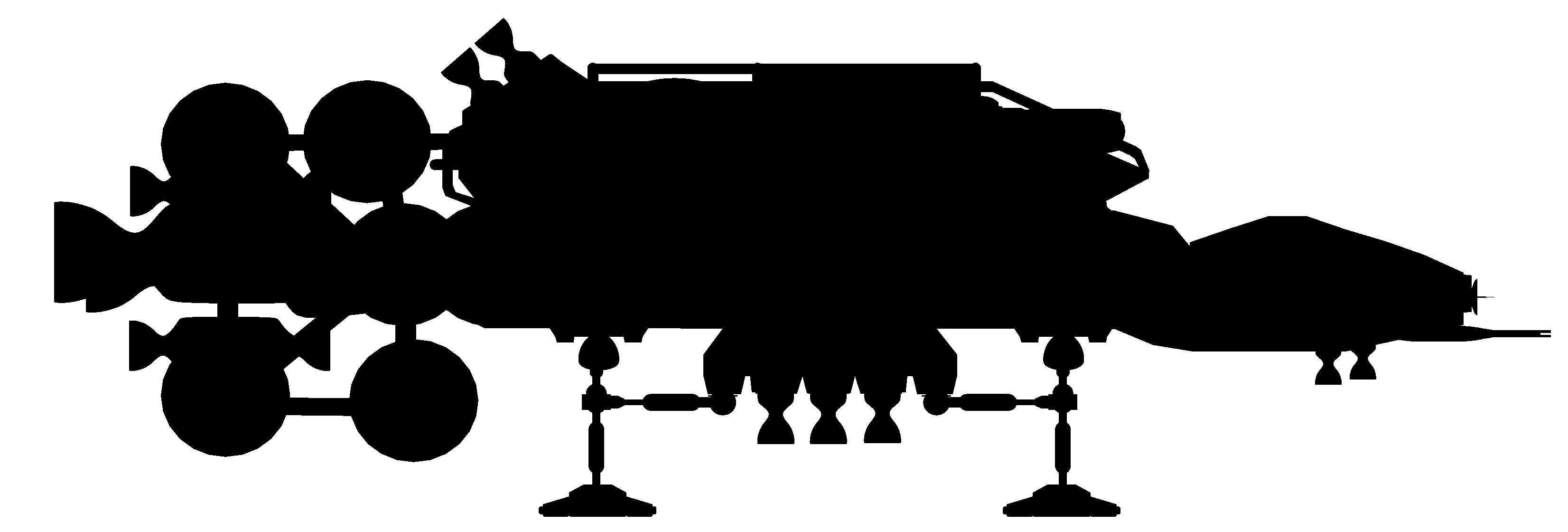
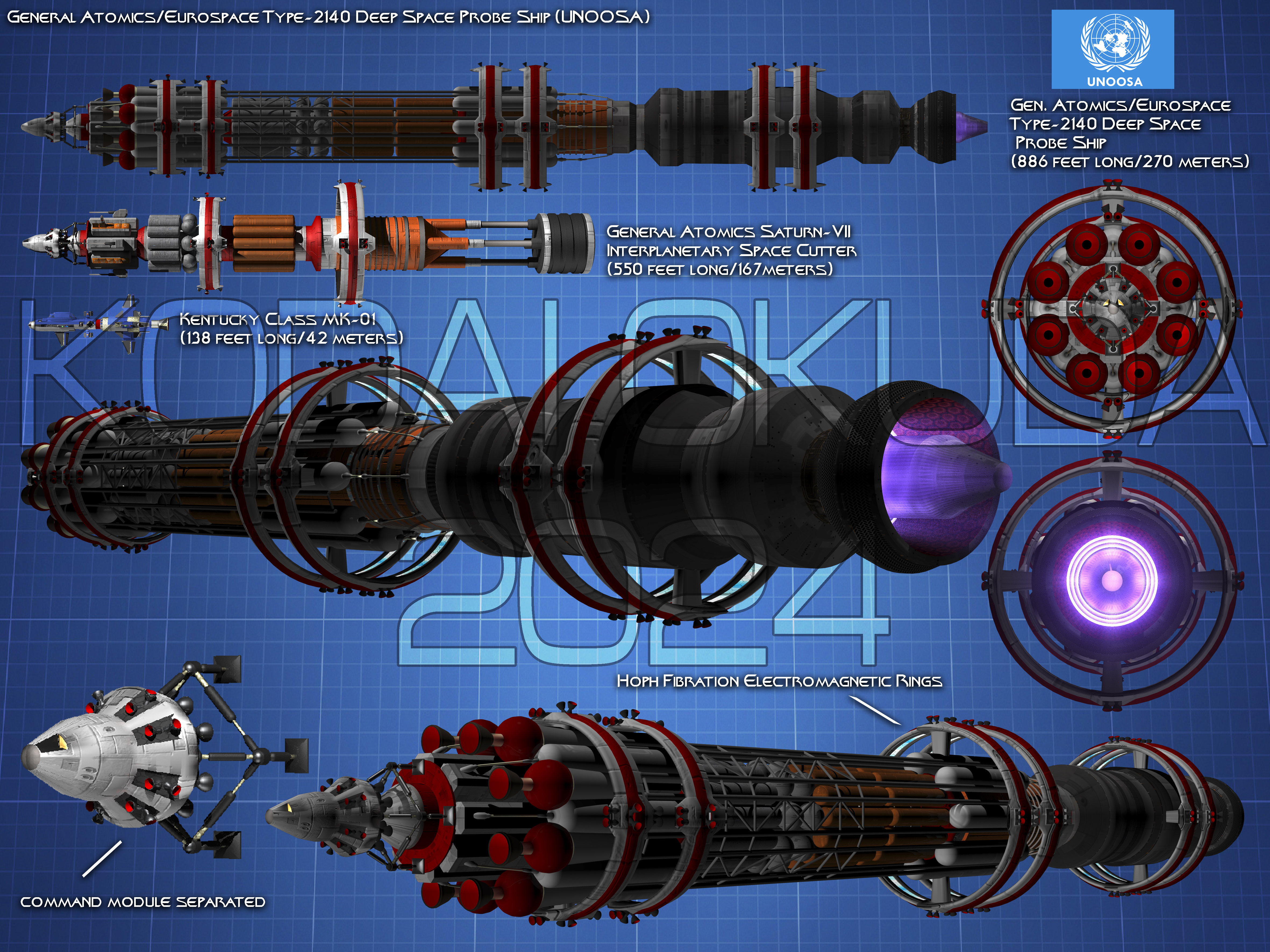
TYPE: Type-2140 Deep Space Probe Ship
MODEL: Type-2140
DATE INTRODUCED: 2140
LENGTH (Depth): 846.5 feet (258 meters)
WIDTH: 119.8 feet (36.5 meters)
HEIGHT: 119.8 feet (36.5 meters)
MATERIAL: Composite Alloy
POWER PLANT: 40x RNB-1500 Rockwheel Nuclear Battery (Main Spacecraft), 24x Rockwheel RFR-5M Fusion Reactors (Command Module)
OUTPUT: 1500 megawatts each (60,500 total for RNB-1500) Main Spacecraft, 5 megawatts each (120 megawatts total for RFR-5M) Command Module.
ARMOR TYPE: Composite Alloy
ARMOR THICKNESS: 6 inches
DISPLACEMENT: 25,000 tons
CREW: 18 (2 Gunners, 3 Engineers, 3 Electricians, 3 Electricians, 3 Technicians, 3 Operators, 1 Medical, 2 Officers, 1 Science)
PROPULSION
INTERPLANETARY:
1x ASTRA EMD-10000
SPEED: Delta-V is 106 miles per second (maximum velocity is 0.99C at constant acceleration of 106 miles per second per second for 1754.7 seconds/29.2 minutes), however, the crew can only handle a velocity of up to 380,000 miles per hour before the g-forces will overpower the Hoph-Fibration inertia-dampeners ability to protect the crew from internal injury of organs, eyes, etc. Robots, electronics, and machinery will not be effected. Normally the ship will accelerate at 10% maximum acceleration and then accelerate slowly up to 106 miles per second before cutting the engine.)
POWER REQUIRED: 10,000 megawatts
PRIMARY:
8x Rocketdyne RHYIE-2500 High Yield Ion Engines
SPEED: 7600 mph each (Delta-V of each vector: 15,200 mph port/starboard/ventral/dorsal, 60,800 mph reverse speed)
POWER REQUIRED: 2500 megawatts each
AUXILLIARY:
112x Zhuque ZME-M500 Methane engines
SPEED: 500 mph each (Delta-V of each vector: 24,000 mph forward, 14,000 mph port/starboard/ventral/dorsal, 24,000 mph reverse speed)
FUEL: 21 minutes each engine
COMMAND MODULE:
32x Rocketdyne HYIE-3.6M High Yield Ion Engine
SPEED: Delta-V is 6080 mph in any direction
WEAPONS: (NONE)
ELECTRONICS:
MAIN VESSEL
1x Microwave radio Communications array with a 50 AU range.
1x Laser Communications array with a 1000 AU range.
1x RADAR sensor array with a 200,000-mile range.
1x Passive EMS sensor array with a 100,000-mile range.
1x Active EMS Sensor array with a range of 10,000 miles.
6x Gravitational Control/Antigravity unit Effect: provides artificial lift,g-force compensation and enhanced maneuver
COMMAND MODULE
1x Microwave radio Communications array with a 4000 miles range.
1x RADAR sensor array with a range of 500 miles.
CARGO BAY:
MAIN VESSEL
24x SMALL CYLINDER (various cargo). 174 yd3 each.
12x LARGE CYLINDER (various cargo). 151.14 yd3 each.
8x SPHERE MODULE (Water container): 53.2 yd3 contain enough fresh water for 6 years for the crew of 18
12x SMALL CYLINDER (Fuel Blatters): 580 yd3 holds enough methane fuel to add 3.7 minutes additional fuel.
8x BOX CARGO MODULE (various cargo: 633 yd3 each.
COMMAND MODULE
1x 672.1 yd3, holds 9.9 years of food and supplies for a crew of 18.
DEFENSE SYSTEMS:
Main Vessel
1x En Garde Inc. EG-ES-10500 10,500-kilowatt electrostatic armor generator; RANGE: 15 feet; Effect: Random due to numerous variables. In general, projectile weapons are only marginally effective and explosive warheads (of missiles, grenades and torpedoes) are rendered useless/inert.
Command Module
1x En Garde Inc. EG-ES-180 180-kilowatt electrostatic armor generator; RANGE: 15 feet; Effect: Random due to numerous variables. In general, projectile weapons are only marginally effective and explosive warheads (of missiles, grenades and torpedoes) are rendered useless/inert.
Description/Overview:
A relic from the 2140s time period, the Type-2140 was originally built by UNOOSA (United Nations Office of Outer Space Affairs) for the exploration of the outer sphere of the Sol star system. A few Type-2140 ships were used for deep space missions (unmanned) to explore beyond the solar system out to nearby star systems (up to 20-light years away, via a 22-year mission oneway at 0.99C). However, the majority of the missions were to the inner asteroid belt, Jupiter, Saturn, Uranus, Neptune, the Kuiper Belt, Oort Cloud, and Sol’s proto-star companion gas giant Tyche some 15,000 AU away from the Sun in the far reaches of the Solar System.
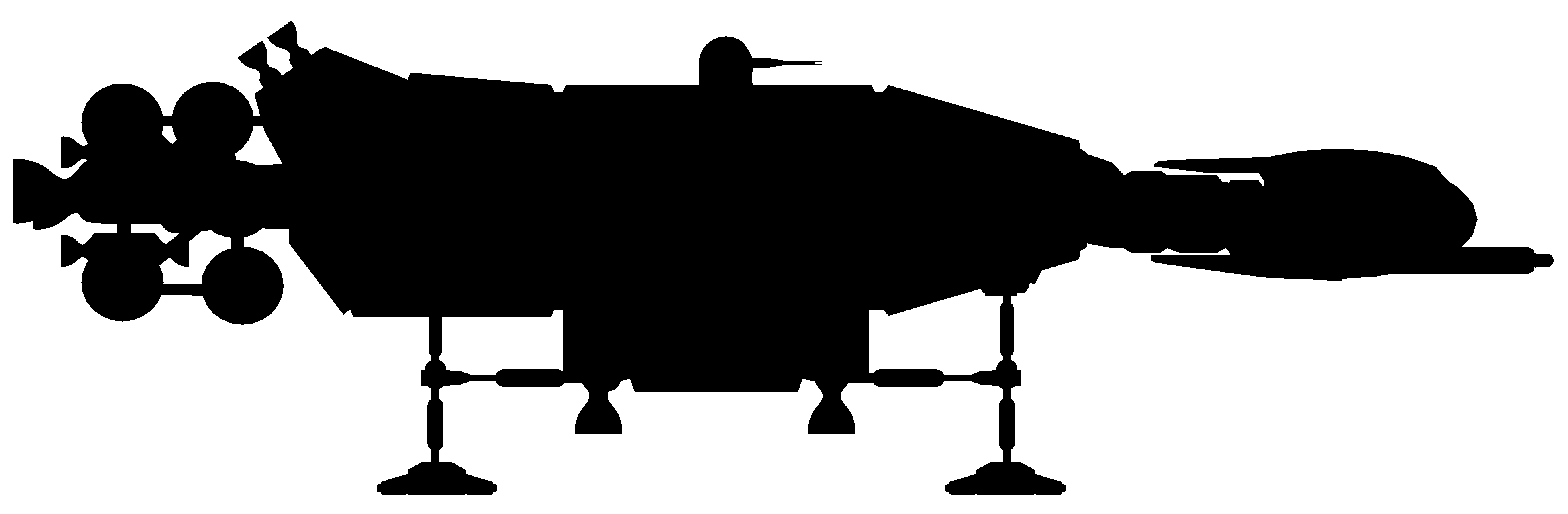
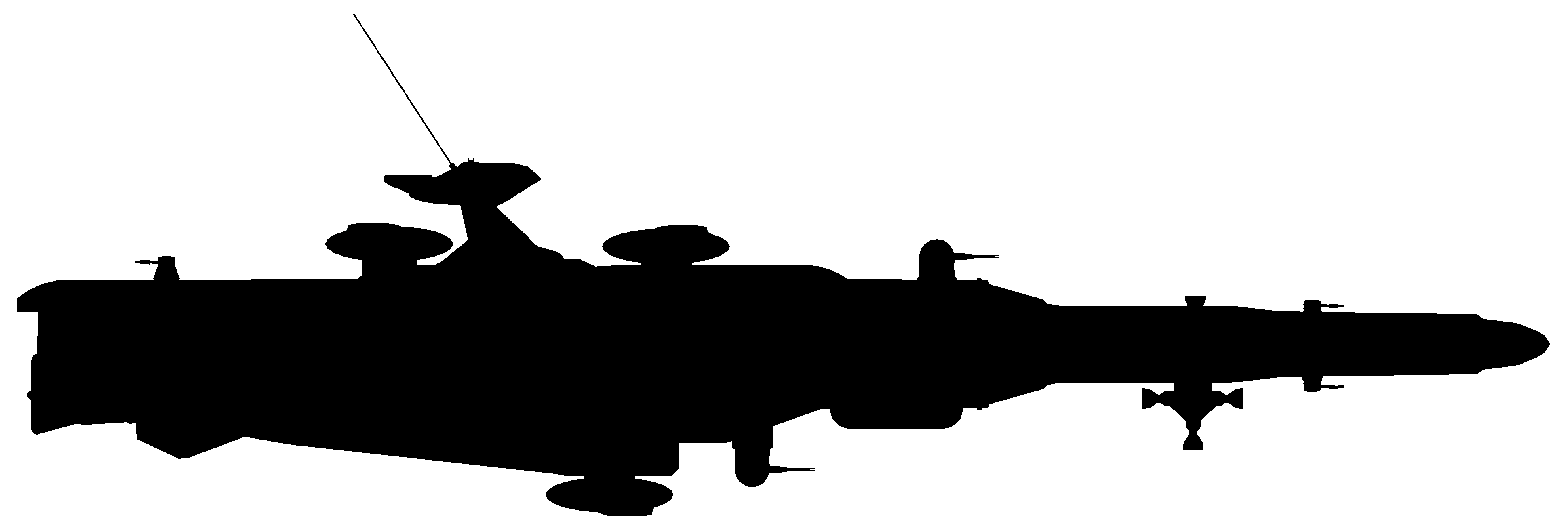
The Asian Pacific conflict of the 2140s saw these ships change hands to the LaGrange Republics and their purpose altered to that of long-range space-freighters. The UNOOSA/UNSC also kept many in service prior to the introduction of the ST-52 heavy transport ship. The United States Space Navy had a sizable number of them up until the end of the 2160s. The Type-2140 was almost always accompanied by two General Atomics Saturn-VII Interplanetary Space Cutters prior to the Great War of the 2150s. During the way squadrons of for to eight Kentucky class ships were added to the cargo fleets that ran between the LaGrange point colonies, Earth, Juno and the space stations within the Earth Sphere.
The command module of this cutter was detachable and could act as the ship’s boat to dock with space stations, land on moons, or planetoids or other low-g bodies. However, the module lacked the thrust to be able to escape the Earth’s gravity and so only entered a gravity well of 0.8g or higher as an escape pod or life-boat.
The crew of this ship was 18 persons. All of which could fit into the command module (roomy) in an emergency. After the Great War ended the United States Space Navy fleet of Saturn VIIs was assigned to guard duty and patrol around the planetoid Juno until they were decommissioned after the 1st Interplanetary War in 2180.
Nexus Arcana, The Stygian Conspiracy, The Grand Duke's Ambition, The Goddess of Galandria and all related works are trademarks owned and licensed by Yesod Publications. Copyright 1995, all rights reserved.

 UNOOSA MAIN PAGE